Daily Routine
AM group
- 9:00 am – 12:00 pm (Monday to Thursday)
- 9:00 am – 11:15 am (Friday)
Children are welcomed in from 9:00 am every day. Please drop off in the main school car park and head through the playground gates straight to Pathways classroom.
Registration takes place between 9:00 am and 9:35 am.
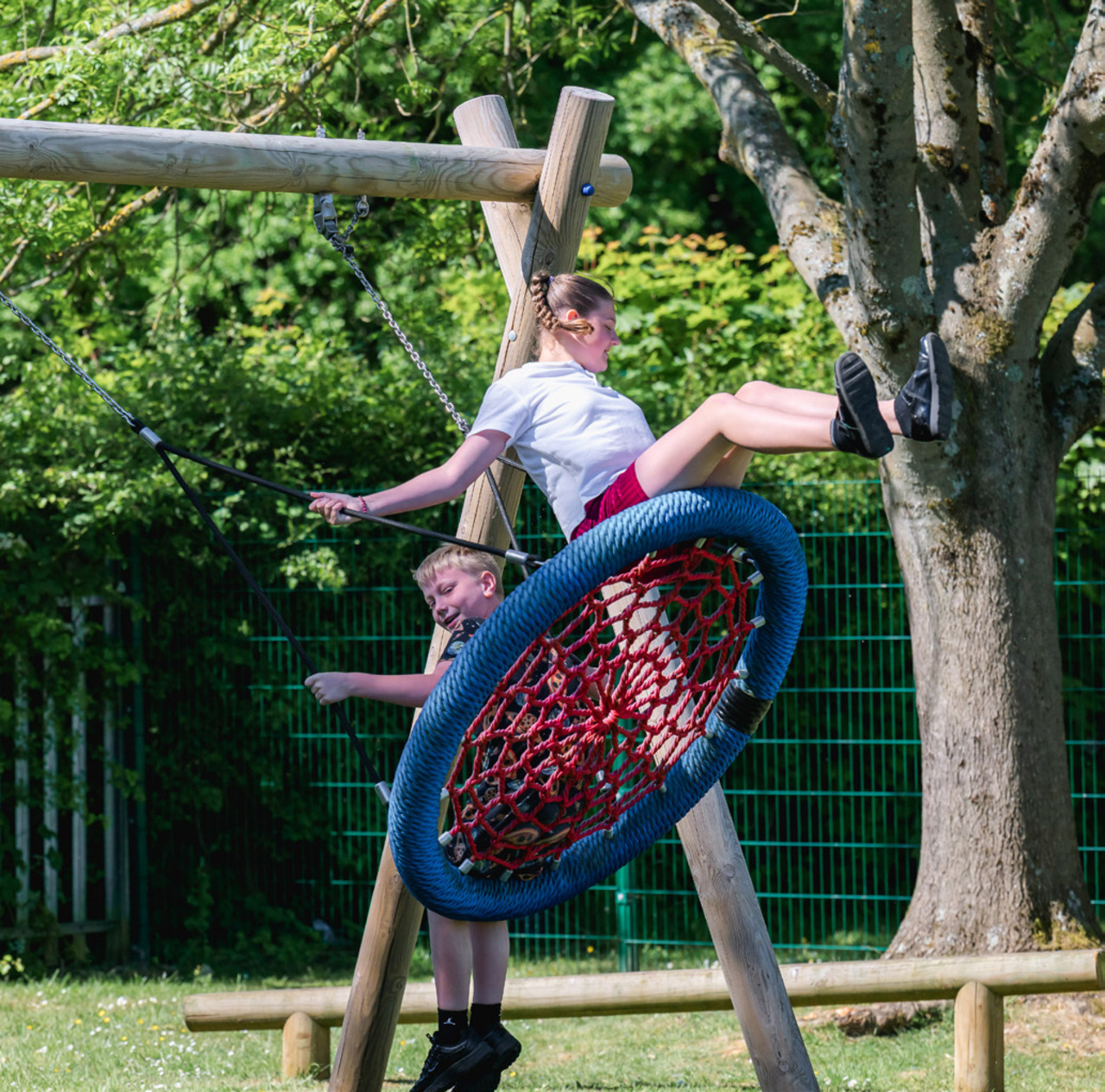
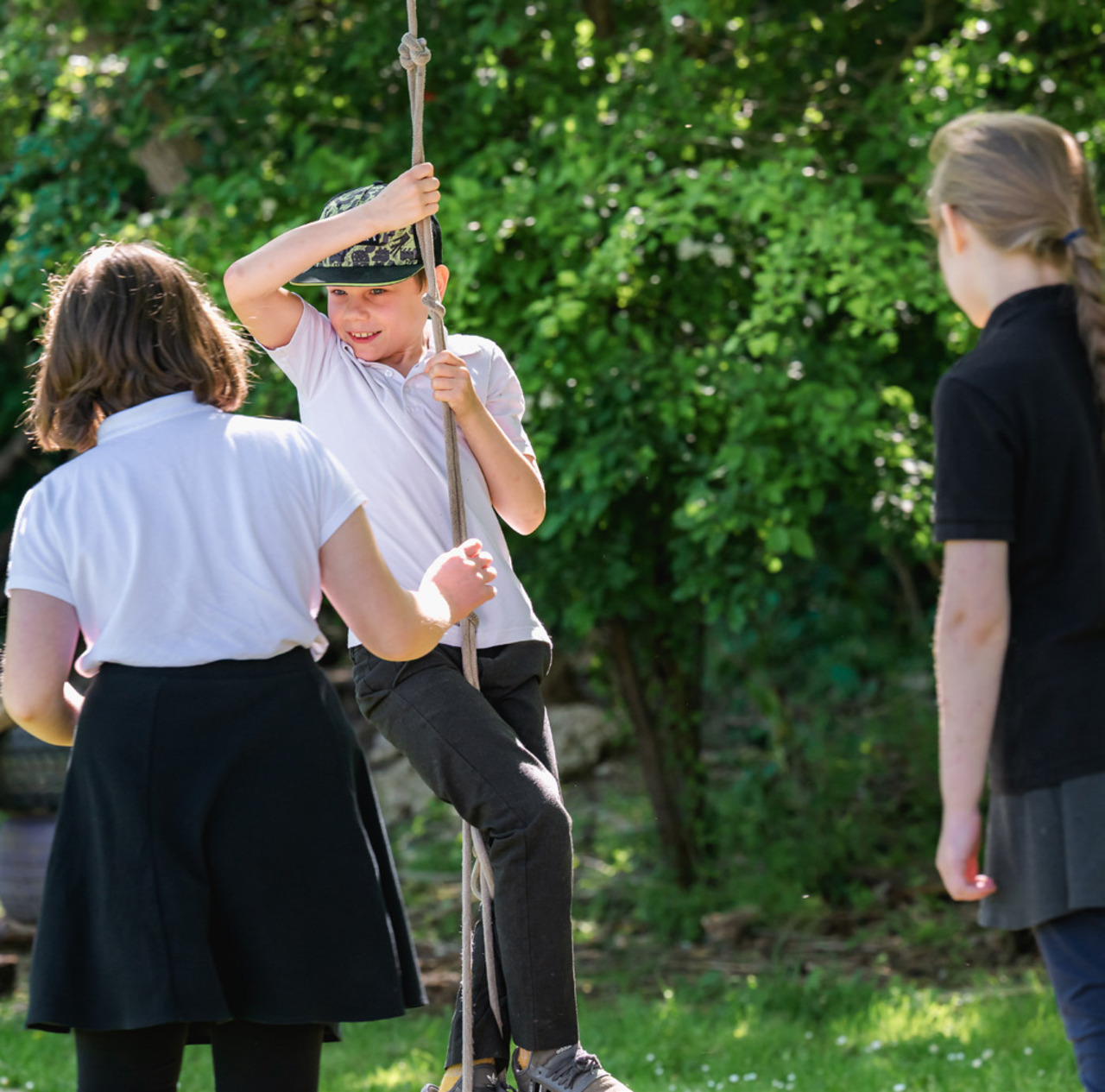
All children will have regular movement breaks throughout the morning to help them stay engaged and focused on their learning. At lunchtime, children can eat a packed lunch, either brought from home or provided by the school (sandwiches, crisps, and fruit). After lunch, they will enjoy a short outdoor playtime.
Please collect the children from outside reception. The children will be dismissed from the school hall. Please ensure timely collection or inform the school if there are any changes to pick-up arrangements.
PM group
- 1:00 pm – 3:20 pm (Monday to Thursday)
- 12:00 pm – 12:20 pm (Friday)
Children are welcomed in from 1:00 pm on Monday to Thursday, on Friday from 12:00 pm. Please drop off in the main school car park and head through the playground gates straight to Pathways classroom.
Registration takes place between 12:00 pm – 12:35 pm on Monday to Thursday, then 1:00 pm -1:35 pm on a Friday.
Please collect the children from the main school car park. The children will be dismissed from the school hall. Please ensure timely collection or inform the school if there are any changes to pick-up arrangements.
All children will have regular movement breaks throughout the afternoon to help them stay engaged and focused on their learning. At lunchtime, children can eat a packed lunch, either brought from home or provided by the school (sandwiches, crisps and fruit). After lunch, they will enjoy a short outdoor playtime.
Key Information
Water Bottles and Bags
We ask for children each day to bring into school a water bottle of their own with fresh water inside, children have access to their bottles throughout the day and they will be sent home at the end of the day to be cleaned.
Please ensure the children bring a bag with them each day in school. Their chrome book is used within school and for home learning. Different types of resources are provided each week for the children to take home.
In-school learning
In-school learning covers the follow core areas
- Essentials
- English
- Maths
- Interventions and skills – Forest school, P.E, cooking and Lego therapy.
Essentials
We begin each day with a soft start, giving children time to settle into the learning environment. They then take part in a circuit of essential activities, including phonics and reading, fine motor skills, handwriting and spelling, and the retrieval of prior learning.
For handwriting and spelling, we follow the Letter-Join programme. In class, we offer a wide variety of reading materials covering a range of genres, and we also visit the school library regularly so children can choose their own books.
All daily reading is logged on BOOM Reader. Children are encouraged to read at home every evening, and we kindly ask that any reading done at home is also recorded on BOOM Reader.
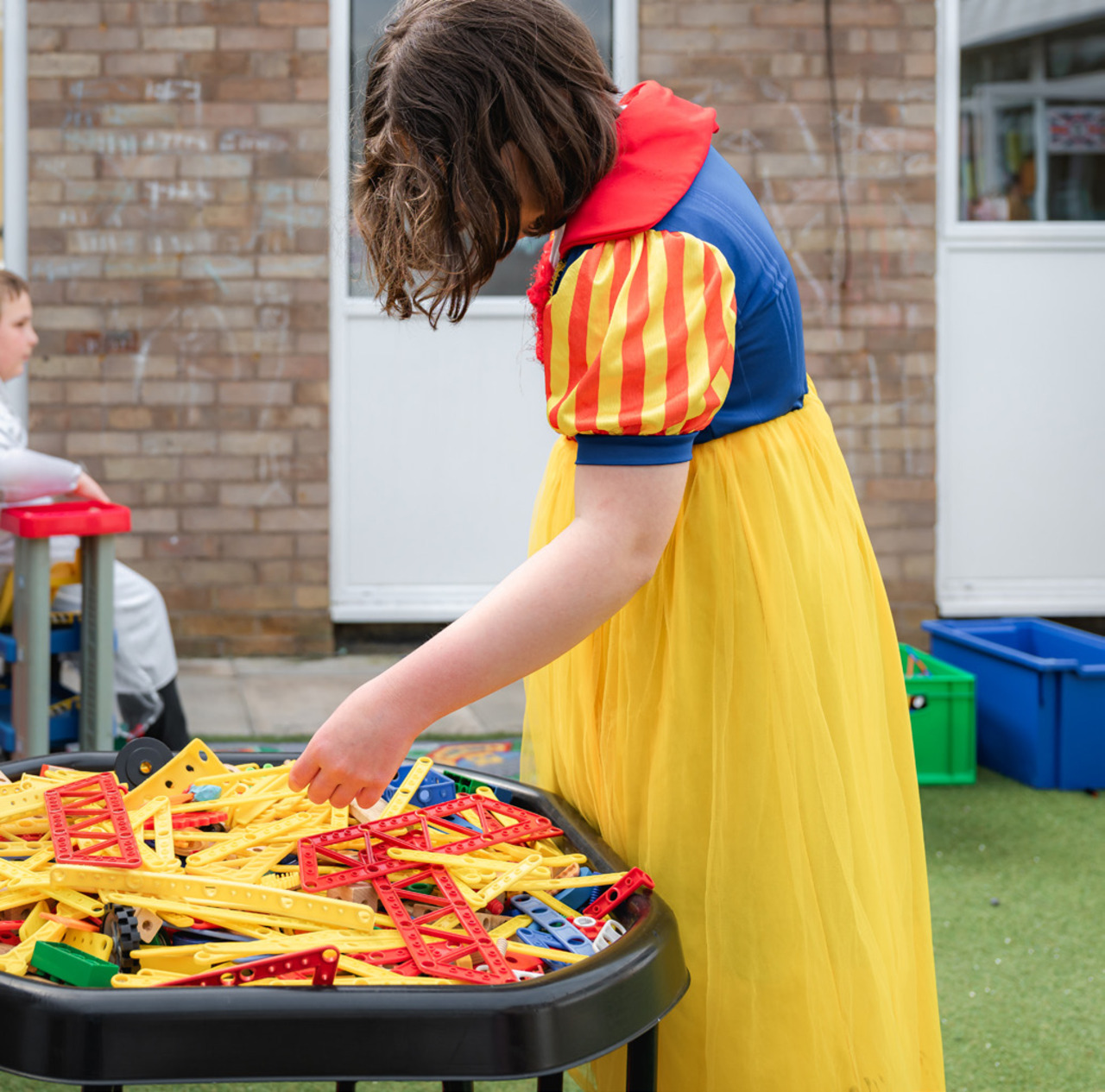
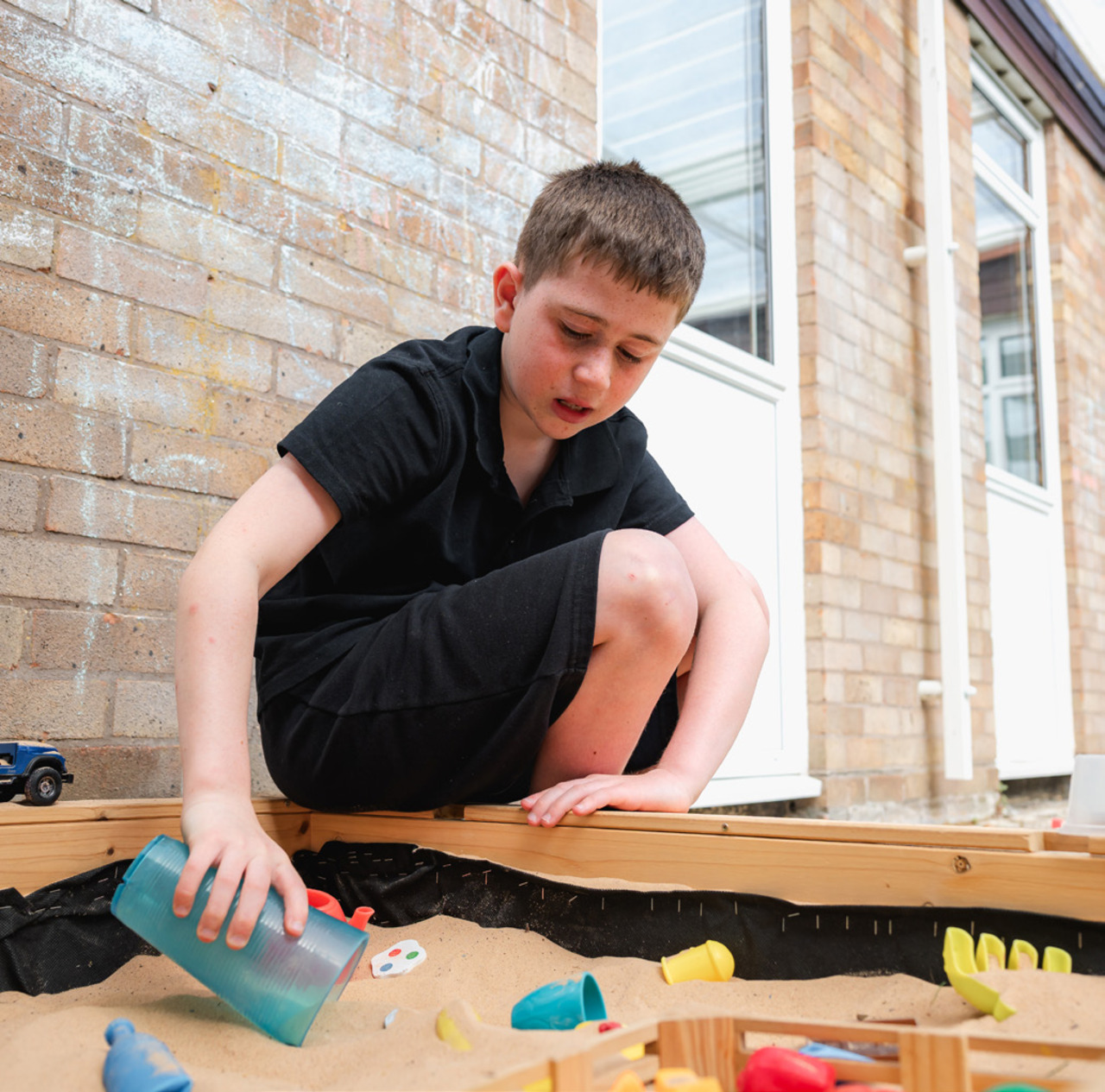
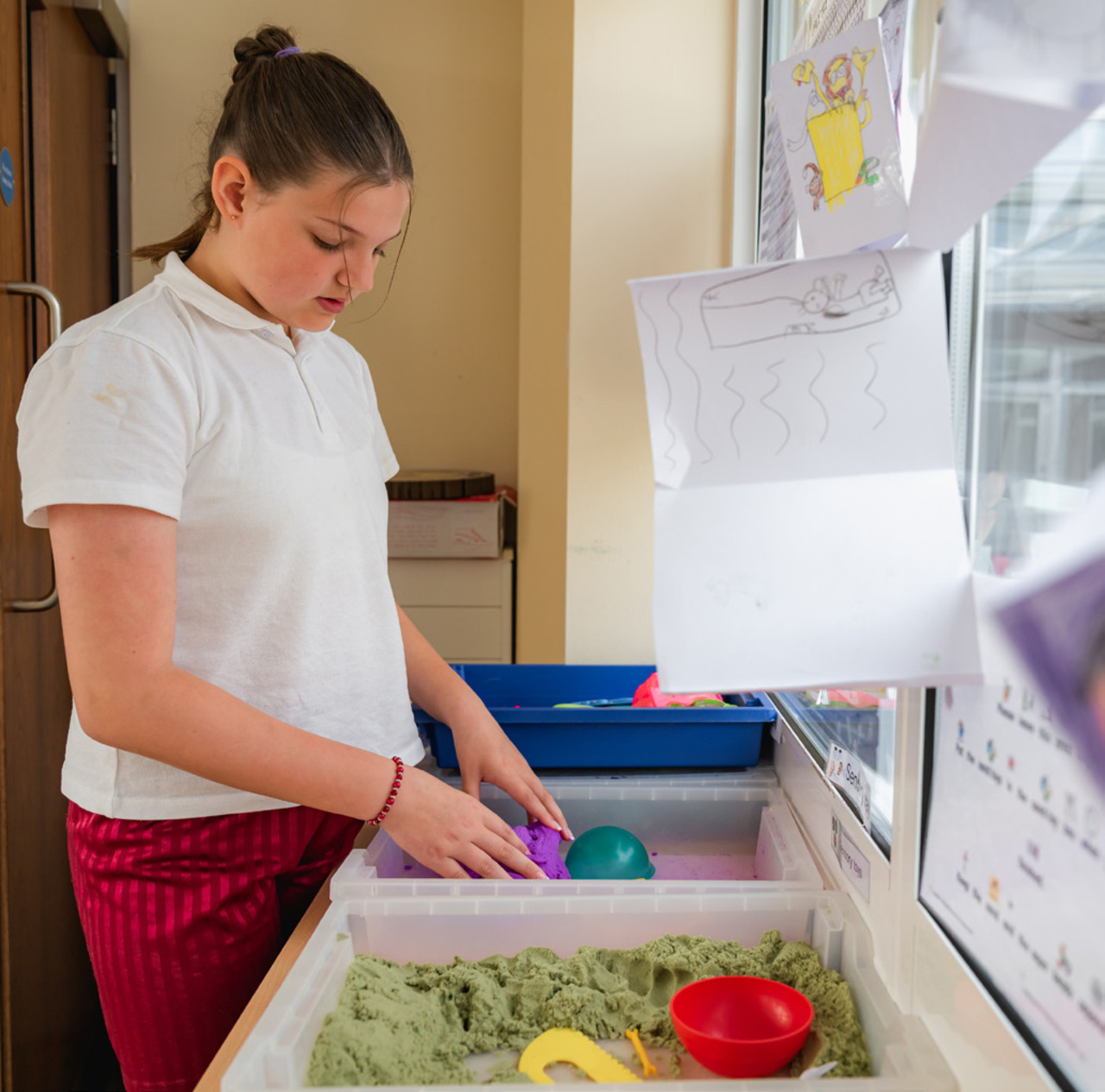
All in-school learning will follow a continuous provision approach, allowing children to deepen their understanding through exploration and play-based activities. This approach supports their independence, creativity, communication skills, and helps consolidate the knowledge and skills taught during whole-class sessions.
Learning is adapted and personalised throughout to meet each child’s working level, as well as their individual interests and needs.
English
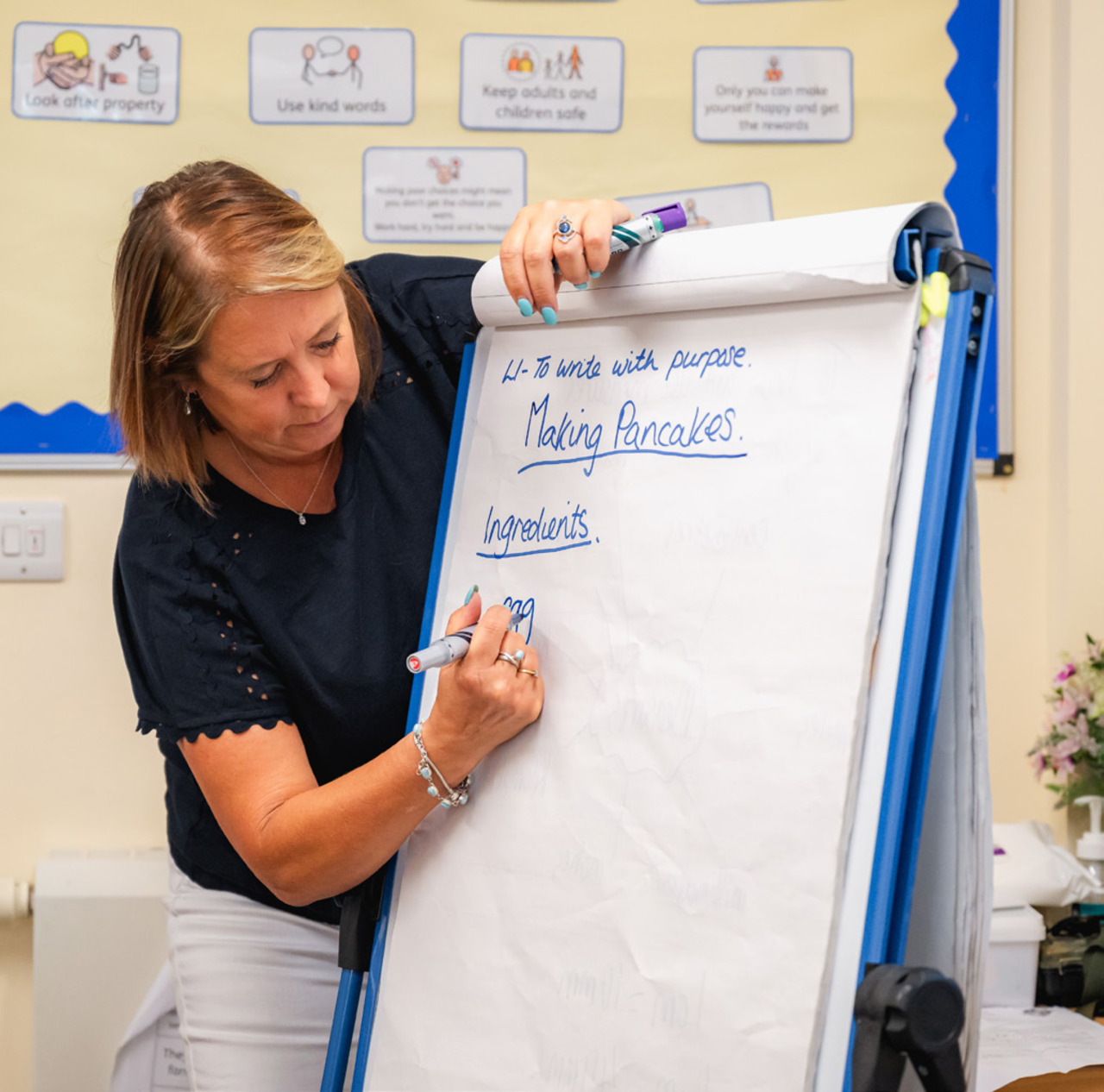
In Literacy, we aim to inspire children to love writing and explore their creativity and imagination through a variety of different texts and writing formats. The Autumn term will focus on the book ‘The Gruffalo’ and the children will be creating their own stories inspired by the text.
We use the Talk for Writing framework. Talk for Writing makes the writing process more accessible and enjoyable, helping children become confident, creative writers who understand how different types of texts work. Talk for Writing is a fun, engaging approach to developing children’s writing skills.
Maths
We use the White Rose scheme to deliver our maths curriculum. The lessons and resources are designed to develop a deep, secure understanding of mathematical concepts through a wide range of engaging and inspiring activities. White Rose follows a mastery approach to teaching maths, ensuring that all children develop fluency, reasoning, and problem-solving skills.
In the autumn term, our focus will be on Place Value. Through hands-on activities, concrete resources and visual representations, children will learn to read, write, compare, and order numbers, as well as partition them in different ways. This secure understanding of place value will enable them to perform addition, subtraction, and more advanced operations with confidence later in the year.
Talk for Writing
Talk for Writing is a fun, engaging approach to developing children’s writing skills that was created by author Pie Corbett. Here’s what parents should know:
What is Talk for Writing?
It’s a method that helps children become better writers by first getting comfortable with stories and text types through speaking and acting them out before writing them down.
How does it work?
The approach follows three main stages:
- Imitation – Children learn stories and non-fiction texts by heart using actions, story maps, and repeated telling. This helps them internalise language patterns and vocabulary.
- Innovation – Children adapt the original text, changing elements while keeping the basic structure. For example, they might change characters or settings in a story.
- Independent Application – Children use what they’ve learned to create their own original pieces of writing.
Benefits for your child:
- Builds confidence through oral storytelling before writing.
- Develops vocabulary and language patterns naturally.
- Makes writing more enjoyable through physical actions and speaking.
- Creates a toolkit of writing techniques they can use independently.
- Improves memory and speaking skills alongside writing.
Book recommendations
- “The Gruffalo” by Julia Donaldson — classic story with rich language and engaging narrative.
- “Superworm” by Julia Donaldson — great for rhyming and insect themes.
- “We’re Going on a Bear Hunt” by Michael Rosen — interactive, rhythmic storytelling.
- “Owl Babies” by Martin Waddell — comforting story with natural world themes.
- “Room on the Broom” by Julia Donaldson — fun rhyming story, good for sequencing and imagination.
Home learning
Home learning comprises of a weekly project, a 30-minute live lesson daily via Teams, in which this lesson is also recorded which can be accessed at any time. All input regarding learning is delivered during both the live and recorded lesson and Pathways adults are available throughout the sessions to answer any queries. A home learning booklet will be provided separately.
Live lesson
- AM: 9:15 am – 9:45 am
- PM: 1:15 pm – 1:45 pm
All foundation subjects are delivered through home learning:
Science
Our science lessons are designed to be practical, engaging, and hands-on, sparking curiosity and inspiring a lifelong love of learning in the future innovators, problem-solvers, and scientists among us. We encourage children to explore, investigate, and ask questions as they develop their scientific thinking and deepen their understanding of the world around them. This autumn, our science topics will focus on Earth and Space, followed by Materials. Children will take part in exciting experiments, investigations, and real-life observations, building their knowledge and developing key scientific skills through active, play-based learning.
Book recommendations
- “How to Catch a Star” by Oliver Jeffers — for stars and space curiosity.
- “The Darkest Dark” by Chris Hadfield — astronaut story inspiring space interest.
- “Why Do Leaves Change Colour?” by Betsy Maestro — links to nature/materials and seasons.
- “Material World” by Mari Schuh — introduces different materials in everyday life.
Geography
In Geography this autumn term, we will be focusing on Exploring Maps. Children will learn about a variety of map types, their key features, and how maps help us navigate and understand the world around us. Through a range of engaging, hands-on activities, they will have the opportunity to create their own maps, developing important skills such as using symbols, building spatial awareness, and understanding basic compass directions. This topic also encourages observation, critical thinking, and a deeper appreciation of how maps enable us to make sense of and connect with our environment.
Book recommendations
- “Me on the Map” by Joan Sweeney — introduction to maps and places.
- “Mapping Penny’s World” by Loreen Leedy — creative story about drawing maps.
- “Where the Wild Things Are” by Maurice Sendak — imaginative exploration and place.
History
This autumn term in History, we will be exploring the fascinating story of the Gunpowder Plot. Our lessons are designed to be interactive and engaging, helping children understand this important historical event through storytelling, drama, and creative, hands-on activities. They will bring history to life by investigating key figures, sequencing the events of the plot, and even designing and making their own models inspired by the topic. This immersive approach not only deepens their understanding of the past but also makes learning history enjoyable and memorable, fostering curiosity and a sense of connection to the people and events that shaped our world.
Book recommendations
- “The Gunpowder Plot” by Nick Hunter — simple retelling suitable for young learners.
- “Remember, Remember: The Story of the Gunpowder Plot” by Deborah Hopkinson — picture book version.
Computing
During the autumn term, our computing curriculum will focus on online safety and creative computing. Using Purple Mash, children will develop their digital skills in a fun and engaging way, learning to use technology safely, respectfully, and creatively. They will explore a range of simple tools to create, present, and share their ideas, while also building confidence in navigating the online world responsibly and with awareness.
Book recommendations
- “Once Upon a Time… Online” by various authors — stories about staying safe on the internet (age-appropriate).
- “Digiduck’s Big Decision” by Ministry of Fun — online safety story for young children.
PSHE
Our PSHE curriculum follows the Jigsaw programme, which is built around six key units designed to support children’s personal, social, and emotional development throughout the year. These units are:
- Being Me in My World — exploring identity and understanding how we fit into our community.
- Celebrating Difference — learning to respect and value similarities and differences, including anti-bullying and celebrating what makes each person unique.
- Dreams and Goals — setting aspirations, working towards goals, and managing the emotions that come with success and challenge.
- Healthy Me — understanding how to stay safe, healthy, and make positive choices for our well-being.
- Relationships — building and maintaining positive, healthy relationships with others.
- Changing Me — learning to cope with and adapt positively to changes in ourselves and our lives.
Together, these units help children develop self-awareness, resilience, empathy, and the skills they need to thrive both now and in the future.
Knowledge of the World
As part of our Knowledge of the World learning, we believe it is important for children to understand and respect different faiths and beliefs. This term, our themes will be ‘Thanking God for Nature’ and ‘Christmas – Lights’. Through stories, discussions, and creative activities, children will begin to explore the world’s diversity and develop an appreciation for different ways people celebrate and give thanks. These sessions will take place during the first week of each half term, providing a thoughtful and engaging start to our learning.
Book recommendations
- “Thank You, God, for Nature” by Tracey McDonnell — links to ‘Thanking God for Nature’ theme.
- “Christmas Stories” by Jane Ray — gentle retelling of the Christmas story.
Art and Design Technology
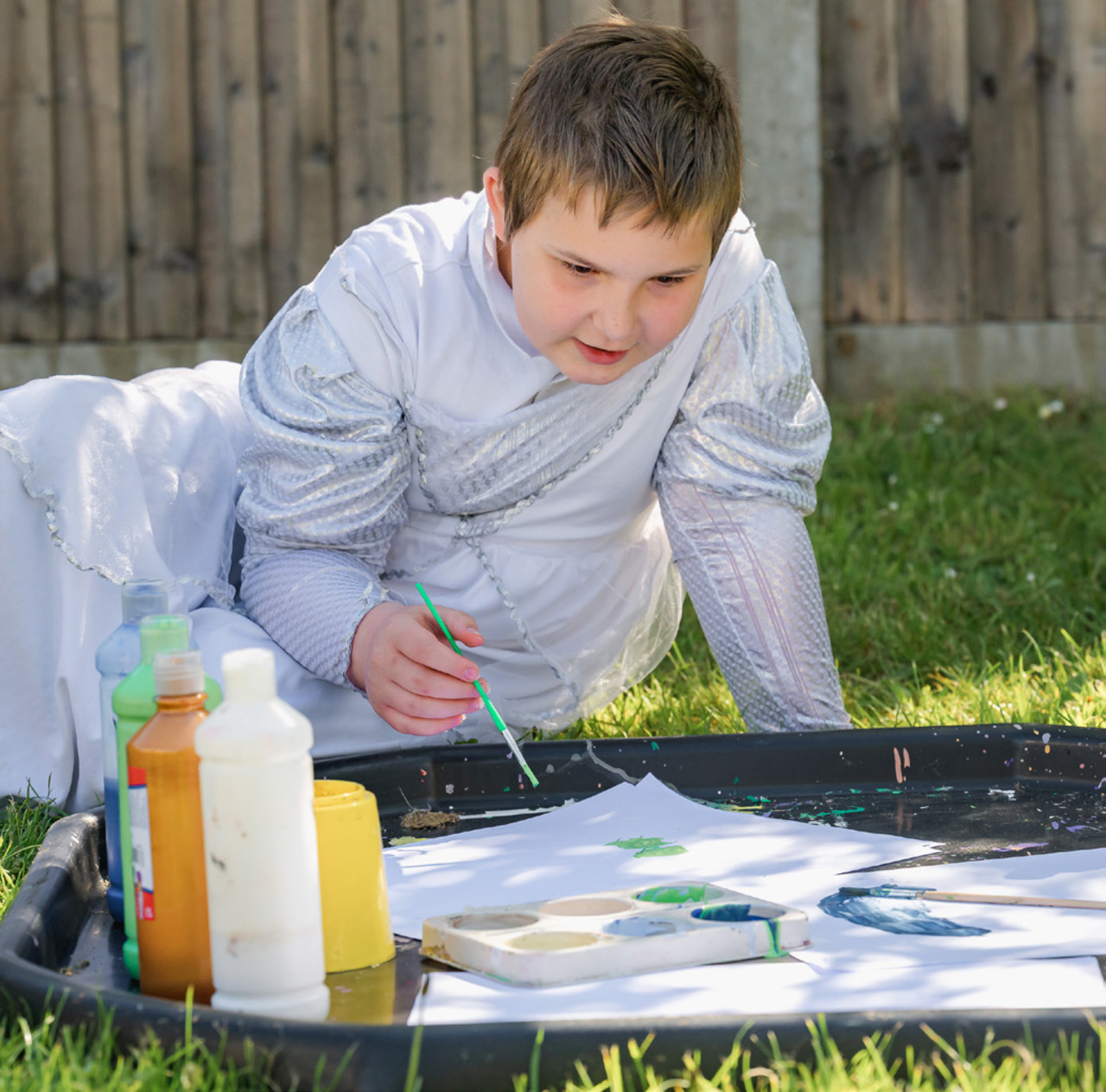
Art and Design Technology will be woven throughout all of our home learning, giving children opportunities to apply their creative skills across the wider curriculum. They will explore how to use texture, shape, and form to create imaginative and meaningful pieces. Through a series of hands-on activities, they will experiment with different natural materials and media, discovering a variety of textures, shapes, and techniques. This creative process will help them develop essential practical skills, such as cutting, joining, and shaping materials with increasing confidence and precision.

Mrs Bayliss
Teacher
Mrs Mclean
Higher Level Teaching Assistant
Mrs Ellis
Learning and Support Assistant

Mr C Towner
Space Hub Learning & Support Assistant